
Topics:
2026 Topics
-
This topic uses case-based discussion to explore patient centred care for people using antidepressants. The topic will look at each patient’s needs, to enable planning of holistic treatment, and ensure safe, effective follow up. We’ll cover the key steps — Stop, Start, Switch, and Stabilise, and how to tailor care to different patients and communities.
2025 Topics
-
This session explored the latest evidence in COPD management, including how to manage flare ups, support smoking cessation, and make effective use of pulmonary rehabilitation. It also looks at ways to reduce inequities in diagnosis and care for Māori, Pacific peoples, and other groups most affected by COPD.
-
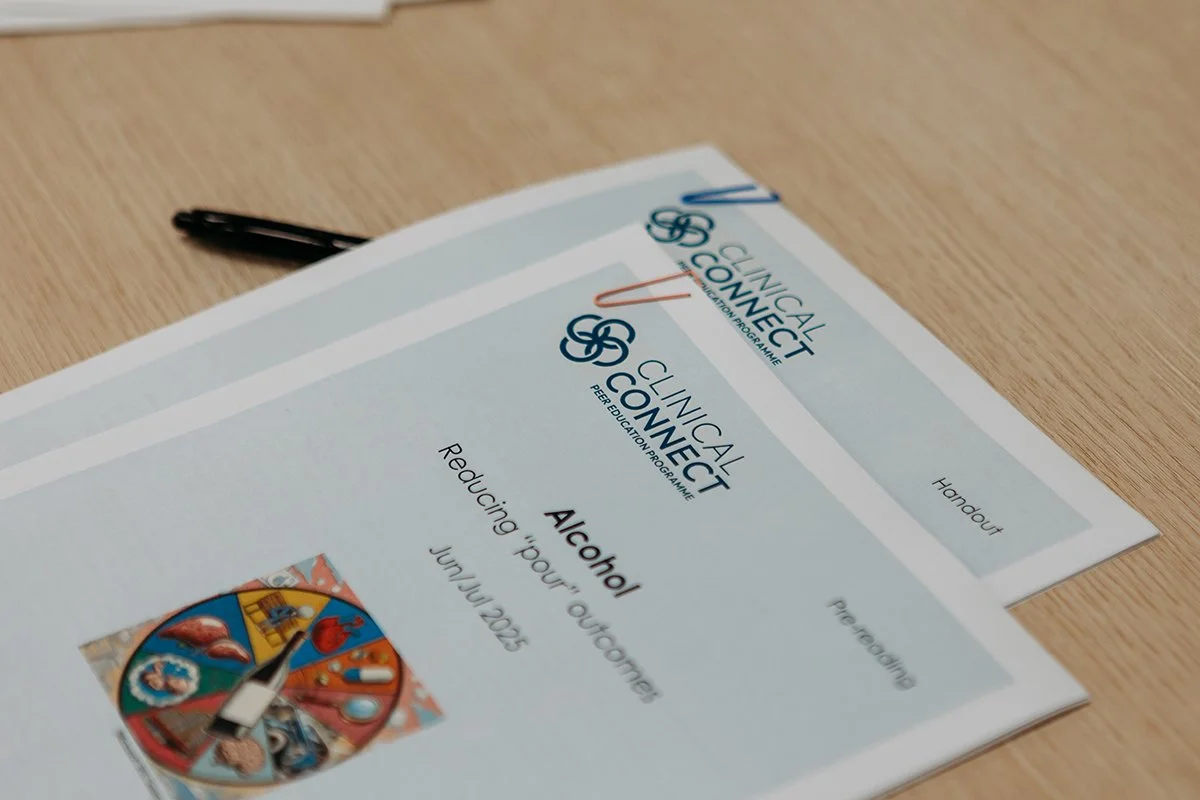
Alcohol misuse affects all parts of society and has wide ranging impacts on health. There are common factors that contribute to this misuse, and recognising these factors is key for health professionals to effectively identify, support, and manage alcohol misuse, and its effects on patients, their whānau, and the wider community.
-
Inspired by Benjamin Franklin’s quote, “Nothing is certain but death and taxes,” this session explored how the primary care team can support patients and their whānau to help identify and plan for what matters most to them in their final days.
-
Chronic kidney disease (CKD) is a growing concern in Aotearoa New Zealand, with Māori and Pacific peoples disproportionately affected. CKD often occurs alongside other long-term conditions, particularly diabetes and cardiovascular disease. This session provided updates on best practice and covered the investigation and management of those at highest risk.
-
Mortality from cardiovascular disease (CVD) has fallen over the past 50 years thanks to prevention efforts and improved treatments. However, it remains a leading cause of illness and death in Aotearoa New Zealand and rising rates of obesity and diabetes risk reversing these gains. This session reviewed current cardiovascular risk tools and explores how to use them to support meaningful patient conversations, shared decision making, and safety netting, ensuring those at highest risk are identified and not lost to follow up.